
The Conflict Between Care and Control
The ChangelingThe novel repeatedly asks when protection becomes control, contrasting genuine care with possessive, violent claims made in the name of family.
increasing Bearing strength in each event
 decreasing
Bearing strength in each eventdecreasingLillian’s Hard Choice
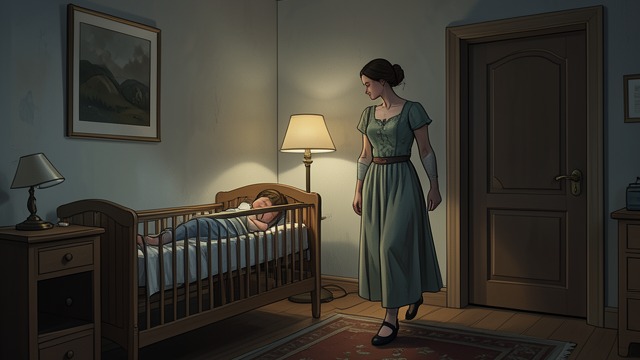
Care Under Constraint
Work and childcare collide
Lillian leaves Apollo home for a short work shift when no one else can watch him.
Safety is not uncomplicated
Her choice allows her to keep her job, but Apollo’s later nightmares reveal what the arrangement cost him emotionally.
Apollo’s Fatherhood Ideal

The Desire to Be Different
A future imagined
After discovering a couple’s intertwined occult books, Apollo recognizes his longing for a family and hopes to become a good father.
Idealism meets responsibility
His intention is sincere but cannot spare him from fatigue, mistakes, or the difficult work of listening.
Emma’s Protective Efforts
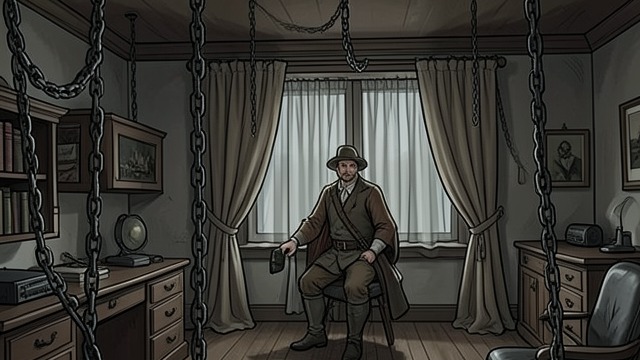
Security as Reassurance
A room fortified
Emma seeks chains and blackout curtains because she fears Brian is being watched and can be taken.
Care misunderstood
Apollo treats her behavior as irrational, leaving the question of how to protect children unresolved between them.
Knudsen Men Call It Duty
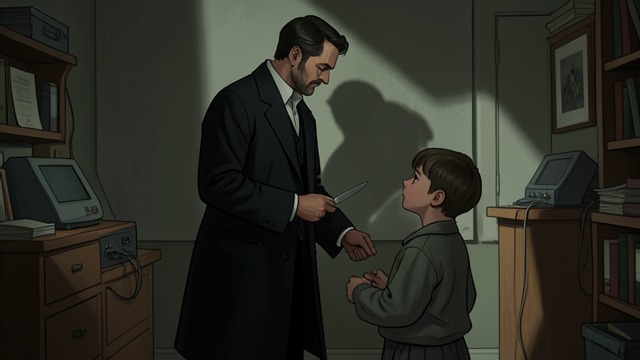
Sacrifice Used as Justification
An old bargain persists
Jorgen describes child sacrifice as a father’s obligation and a family inheritance.
Protection becomes violence
The pact exposes the danger of defining care only as provision or sacrifice while ignoring the child’s own life.
Care Without Ownership
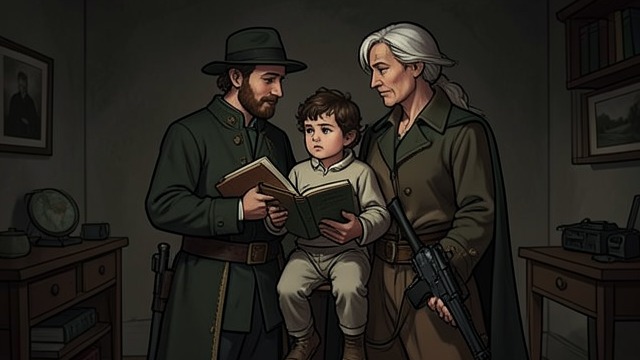
Protection Reconsidered
The child is returned
Apollo and Emma recover Brian and recognize that neither can keep him safe by acting alone or denying reality.
The future remains open
They accept years of frustration and disagreement as part of loving a child rather than evidence of failure.
When Apollo is four
When Apollo is thirty-four
Brian’s first six months
During Jorgen Knudsen’s account of the family history
At the ending, after Brian’s rescue
